

Cultural Preferences That Shape the Casino Experience
Casinos, as vibrant hubs of entertainment, have evolved significantly over the years, accommodating various cultural preferences around the globe. Understanding these cultural nuances is essential not only for casino operators but also for a better gaming experience for players worldwide. Factors such as design, gaming preferences, social interactions, and even the culinary offerings at casinos reflect the rich tapestry of cultural influences. In this exploration, we delve into how these cultural preferences shape the casino landscape and enhance the overall experience for visitors.
One striking feature of casino culture is the design of the gaming floor. In Western casinos, particularly in cities like Las Vegas and Atlantic City, the environment tends to be flashy and extravagant. Bright lights, large screens showcasing upcoming events, and the overall glitz and glamor are intended to create an overwhelming sense of excitement. This design philosophy is heavily influenced by American entertainment culture, which favors vibrant, high-energy experiences.
In contrast, Asian casinos, notably those in Macau and Singapore, often reflect a more sophisticated aesthetic. The emphasis is on luxury and elegance, with a focus on atmosphere rather than sheer scale. Here, minutely crafted architectural designs that incorporate elements of feng shui are commonplace, aiming to create a serene ambiance that encourages social interaction and comfort. The outfits worn by the staff often involve traditional clothing, which enhances the cultural significance of the gaming space. Players in these environments are encouraged to take their time rather than be rushed through the gambling experience.

The types of games favored by players also change based on cultural contexts. In Western casinos, table games like poker and blackjack are predominant, appealing to a sense of strategy and skill. Slot machines, with their colorful designs and chance-based outcomes, attract many casual players seeking entertainment without the need for extensive knowledge of game mechanics. In contrast, Asian players often prefer games like baccarat and pai gow, which emphasize social interaction and are seen as culturally significant. This distinction reveals how cultural preferences shape not only gaming choices but also the types of interactions players expect within the casino.
Social interactions in casinos are also influenced by cultural norms. In many Western cultures, casinos are often viewed as social hubs where friends gather for a night out. Groups often travel together, sharing strategies and celebrating wins, and the ambiance encourages social mingling. However, in more traditional cultures, gambling may carry a stigma, and the act of playing may be more subdued and intimate. In such settings, players may engage more privately, reflecting cultural attitudes towards gambling and public behavior.
Another area where culture impacts the casino experience is through culinary offerings. Casinos around the world often feature a rich selection of dining options that reflect the local culture. American casinos typically showcase a wide range of fast food and casual dining options, while more upscale establishments may offer fine dining experiences. On the other hand, Asian casinos often emphasize traditional cuisine, featuring delicious regional dishes that attract both local players and tourists. This not only enriches the gaming experience but also serves as a cultural exchange, where visitors can immerse themselves in local flavors.
Moreover, the concept of luck and superstition varies significantly across cultures, impacting how players approach games of chance. Western players might engage in various rituals to enhance their luck, such as wearing lucky clothing or relying on charms. In contrast, many Asian cultures have deeply ingrained superstitions that affect betting behavior; for instance, the number four is often considered unlucky due to its pronunciation being similar to the word for ‘death’ in Mandarin. Casinos that acknowledge these cultural beliefs may adjust their game offerings or layout to accommodate the expectations of their clientele.
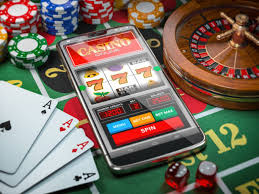
The localization of marketing strategies is another critical factor in how cultural preferences shape the casino experience. Casino operators invest significantly in understanding their target markets, adapting advertisements, promotions, and even gaming options to cater to the cultural backgrounds of their players. For example, casinos targeting Asian audiences might highlight cooperative games and social gambling experiences in their marketing campaigns, capitalizing on the cultural emphasis on community and togetherness.
As online gambling becomes increasingly popular, cultural preferences also play a significant role in shaping how digital casinos operate. For instance, platforms that cater to European audiences tend to offer a wider range of poker games, reflecting the popularity of poker in many European cultures. These platforms may also feature community forums and social media integration to cater to the social aspects of gambling that are preferred by many players. Conversely, in markets like Japan, the preference for arcade-style games has led to the rise of unique gaming experiences that blend traditional elements with modern technology.
Furthermore, customer service experiences are often tailored based on cultural expectations. In many Western environments, players might expect friendly, casual interactions with staff, reminiscent of a service-oriented mindset. In contrast, in parts of Asia, customer service is typically more formal and respectful, reflecting the cultural values surrounding hierarchy and politeness. Understanding and adapting to these differences ensure that casinos can provide a welcoming atmosphere for all guests.
To sum up, the influence of cultural preferences on the casino experience is invaluable. From the architectural design and game selection to culinary offerings and customer service, every aspect of the casino is shaped by the underlying cultural lenses through which people interact with gambling. As the world continues to globalize, casinos will need to remain cognizant of these cultural nuances to cater effectively to an increasingly diverse clientele. By embracing cultural preferences, casinos can create rich, immersive experiences that resonate with players from all backgrounds, ensuring their appeal and longevity in an ever-evolving entertainment landscape.
For those interested in experiencing these diverse gaming cultures, a visit to Cultural Preferences That Shape Casino Game Design by Region https://bet365-casino.it can be a great starting point. Here, players can explore various games and experiences tailored to their unique backgrounds and preferences, enhancing their understanding of the intricate relationship between culture and gaming.