

Understanding OFAC Red Flags: What You Need to Know
The Office of Foreign Assets Control (OFAC) plays a crucial role in enforcing economic and trade sanctions against targeted foreign countries and regimes. Organizations engaged in international trade, banking, and financial services must be vigilant in identifying OFAC red flags to avoid penalties and reputational damage. For a more in-depth analysis, refer to this OFAC red flags https://dennisjernigan.com/media/pgs/?ofac-red-flags-what-to-watch-for.html.
In this article, we will dissect the various indicators that may signal potential OFAC violations, enabling businesses to better protect themselves against inadvertent misconduct. By understanding these red flags, organizations can establish more effective compliance programs and safeguard their operations from OFAC enforcement actions.
What Are OFAC Red Flags?
OFAC red flags are specific indicators that suggest a potential violation of U.S. sanctions laws. When conducting transactions, organizations must remain alert to these signs, which may stem from customer behavior, transaction characteristics, or other contextual factors. Recognizing these red flags can help organizations better assess risk and take proactive measures.
Types of OFAC Red Flags
1. Inconsistent Customer Information
One of the most common red flags is inconsistent or suspicious information provided by customers. This could include mismatches between the name, address, or other identifying details in a transaction against database records or OFAC lists. Such discrepancies may suggest that a customer is attempting to conceal their identity or evade sanctions.
2. Complex Ownership Structures
Entities with complex ownership structures can obscure the actual ownership of assets, making it difficult to determine whether the organization is doing business with sanctioned individuals or entities. Organizations should scrutinize ownership structures and consider whether a customer’s ultimate beneficial owners are on a sanctions list.
3. Shifts in Transaction Patterns
Sudden changes in transaction frequency, size, or structure can warrant further investigation. For example, if a long-term customer suddenly begins conducting large transactions or sending money to high-risk jurisdictions, this may raise suspicions of sanction violations.
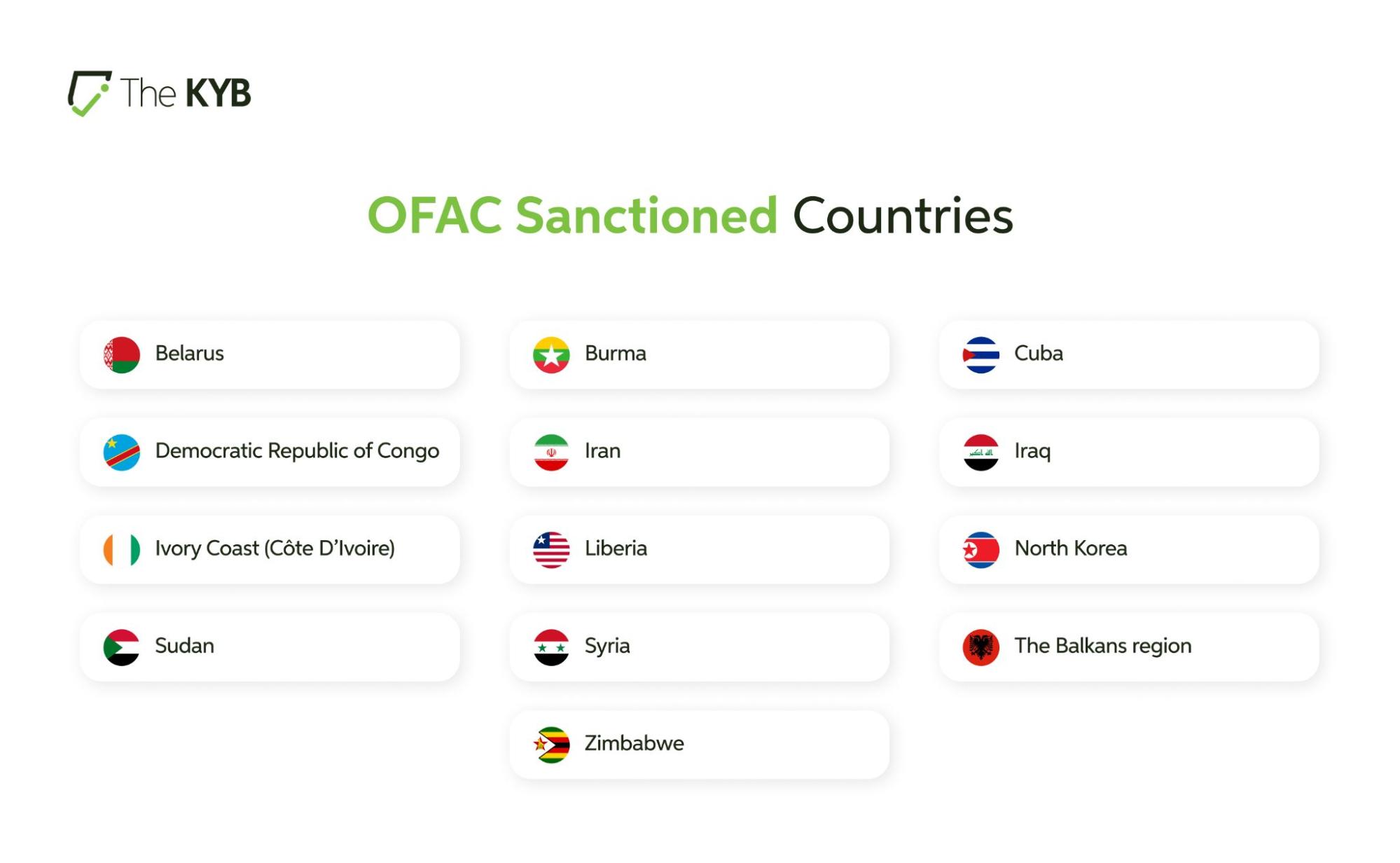
4. High-Risk Countries
Transactions involving countries currently subject to OFAC sanctions should be treated with utmost caution. If a customer or counterparty is located in or conducts business with countries known for high levels of economic sanctions, such transactions may warrant further scrutiny.
5. Use of Shell Companies
Shell companies, which exist primarily on paper and have no substantial operations, are often used to bypass sanctions. Organizations should be wary of customers who establish companies with a limited operational history or that frequently change their business address or ownership, as they may be attempting to mask illicit activities.
6. Unusual Payment Methods
Transactions involving unusual payment methods or currencies can also be a red flag. If a customer insists on making payments through obscure channels, such as third-party payment processors, cryptocurrency, or offshore accounts, these actions might indicate attempts to evade detection.
Importance of Employee Training
Training employees to recognize and respond to OFAC red flags is vital for any organization engaged in international trade or finance. Organizations should develop robust training programs to educate staff on the significance of OFAC regulations, common red flags, and appropriate procedures for reporting suspicious activities.

Regular training sessions can help ensure that employees are familiar with changing sanctions laws, allow for discussion of recent case studies involving violations, and empower employees to take action when they observe red flags. This proactive approach helps minimize the risks of inadvertent violations and enhances organizational compliance culture.
Establishing a Robust Compliance Program
To effectively manage the risks associated with OFAC red flags, organizations should implement a comprehensive compliance program. This program should include policy development, risk assessments, due diligence procedures, and monitoring mechanisms to detect and address potential violations.
1. Risk Assessment
Conducting a thorough risk assessment is the first step in building an effective compliance program. Organizations should evaluate their vulnerability to OFAC violations based on industry, geography, customer base, and the types of transactions they conduct. This allows organizations to allocate resources effectively and focus on the highest-risk areas.
2. Due Diligence
Organizations must perform due diligence on customers, vendors, and partners, including screening against OFAC lists. Customer due diligence should include understanding the nature of their business, ownership structure, and transaction patterns to identify any unusual activity that could indicate potential violations.
3. Transaction Monitoring
Continuous monitoring of transactions is essential to catching red flags before they escalate into significant violations. Organizations should utilize transaction monitoring systems that help them identify suspicious activities and maintain accurate records for compliance reporting.
Conclusion
As globalization increases and businesses engage with more diverse markets, the importance of understanding OFAC red flags cannot be overstated. By staying informed and vigilant against potential sanctions violations, organizations can protect themselves from legal repercussions and financial losses. The implementation of targeted training programs and robust compliance processes will further enhance their ability to identify and address OFAC red flags effectively.