
The Current State of UK Horse Racing: What to Expect When It’s Not On
In the world of sports, horse racing holds a distinguished position, especially in the United Kingdom. Known for its rich history and thrilling competitions, horse racing is more than just a pastime; it’s deeply woven into the cultural fabric of British society. However, there are moments when the racetracks are not alive with the thunder of hooves and the cheers of enthusiastic crowds. In this article, we will explore how the UK horse racing scene navigates the times when the events are not happening and what it means for fans, participants, and the industry itself. It is crucial to understand the impact of the UK Horse Racing Not on GamStop cosc-cumbria.org.uk context during these down periods.
The Importance of Horse Racing in the UK
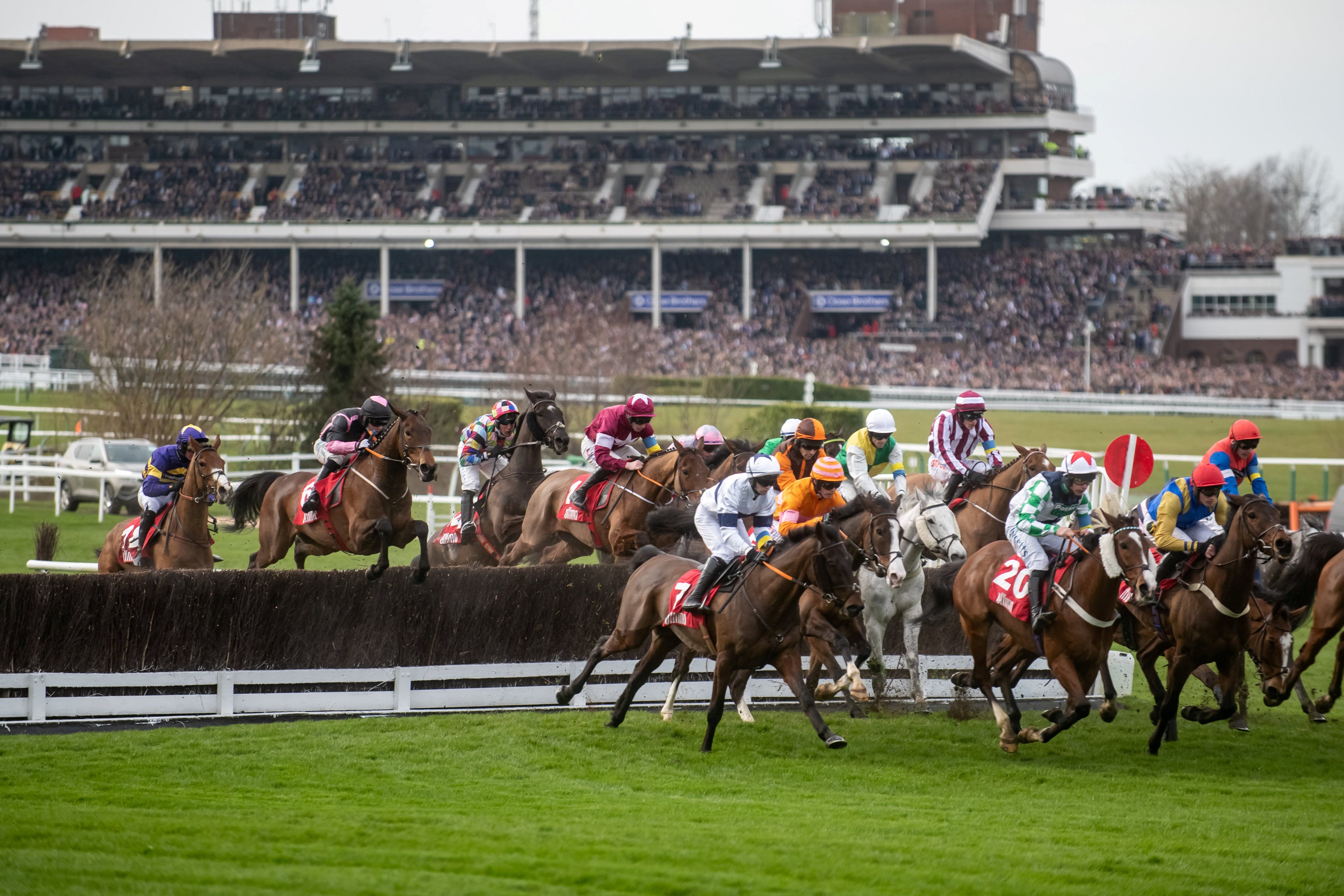
Horse racing is often referred to as the “Sport of Kings,” and for a good reason. Since its inception, horse racing has attracted royalty, aristocrats, and common folk alike. The Grand National, Royal Ascot, and Epsom Derby are just a few of the high-profile events that draw massive crowds and significant media attention. These events are iconic not just because of the racing, but also for their social elements, fashion, and betting opportunities.
What Happens When Racing is Not On?
When horse racing is not taking place, whether due to seasonal breaks, weather-related cancellations, or unexpected circumstances like the pandemic, the entire ecosystem around the sport feels the impact. Here’s how various stakeholders respond:
1. The Jockeys and Trainers
For jockeys and trainers, periods without racing can be a double-edged sword. On one hand, they gain time for rest, training, and strategizing for future races. However, they also face financial uncertainty. Many jockeys depend on raceday earnings—the inability to participate in races can lead them to seek alternative income streams, such as coaching or doing promotional appearances.
2. The Horses
For the horses themselves, a break from racing can be beneficial. It offers them the opportunity to recover, train, and build endurance. This downtime is significant in ensuring the horses’ long-term health and performance. Trainers often take advantage of this time to focus on the animal’s nutrition, fitness, and mental well-being.
3. The Betting Community
Betting is one of the integral parts of horse racing. When there are no races to bet on, punters often seek alternative forms of entertainment. This can lead them to online betting platforms that offer virtual racing or other sports events, but none generates the same excitement as the real thing. Some punters may organize informal betting pools or games with friends, reflecting the social aspect of betting.

4. The Fans
Fans of horse racing often find themselves with an emptiness when races are not on. This absence affects not just their routine but also their social interactions. Many fans create and engage with online communities where they can discuss past races, analyze statistics, and speculate about future performances. The community remains active through news articles, podcasts, and blogs that keep the spirit of racing alive.
Promoting Indoor Racing and Virtual Alternatives
The advent of technology has introduced exciting alternatives to traditional horse racing. Virtual racing and online betting platforms have gained popularity, especially during periods when live races are not happening. These platforms utilize advanced graphics and algorithms to provide fans with an interactive experience that mimics the thrill of a real race.
Additionally, many organizations and racing authorities have embraced virtual racing events to maintain audience engagement. These events often feature famous horses and legendary races, providing a bridge to the live experience. Fans can still place bets and enjoy the excitement from the comfort of home.
Looking Ahead: What Lies Beyond the Horizon?
The future of horse racing in the UK remains bright, even in the face of challenges posed by periods where the races aren’t happening. The community is resilient, adapting to new technologies and methods to maintain excitement and engagement. Here are some trends that are likely to shape the landscape:
1. Enhanced Fan Engagement
As racing organizations recognize the importance of fan interaction, they are stepping up efforts to engage audiences year-round. From interactive apps to social media contests, fans will see more opportunities to connect with their favorite sport, even when races aren’t taking place.
2. Focus on Safety and Welfare
The health and safety of jockeys and horses are paramount. The industry is working toward improved safety protocols, not just during races, but through comprehensive training and health programs during downtime as well. This focus will only strengthen the integrity of the sport.
3. Environmental Considerations
Sustainability is becoming a critical consideration in the horse racing industry. Races must not only be exciting but also environmentally responsible. Look for initiatives focusing on eco-friendly practices and sustainable health practices for horses and jockeys.
Conclusion
Though the thrill of UK horse racing may momentarily fade when events are not happening, the passion and community surrounding the sport remain vibrant and robust. From fans to jockeys, everyone finds a way to keep the spirit alive, whether through virtual alternatives, community discussions, or planning for the future. As we look ahead, one thing is clear: the love for horse racing transcends the events themselves, nurturing a deep-seated camaraderie that will always keep us coming back to the tracks.